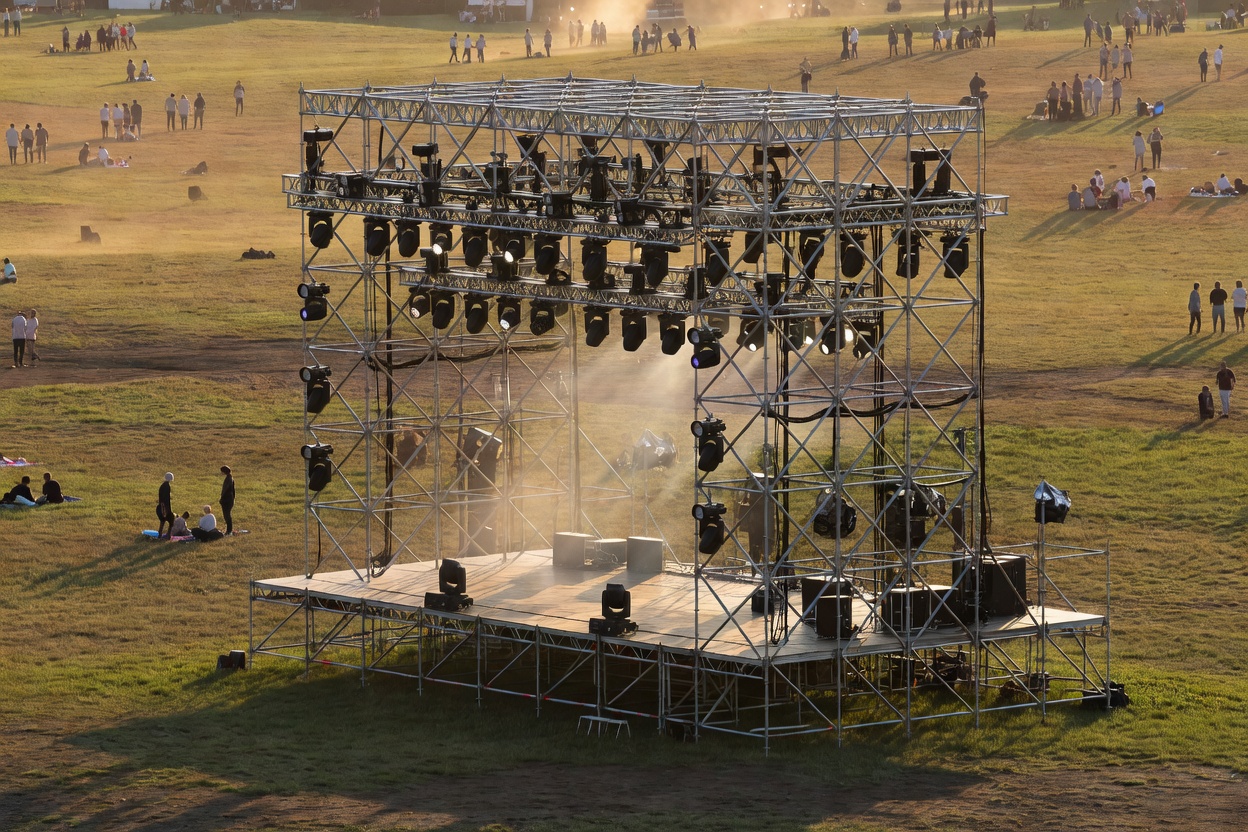
Festival sites are not interchangeable. The layout affects sightlines, walking distance, sound, weather exposure and the rhythm between performances. A small community event may have a single gathering space and a close relationship with its neighbourhood. A multi-stage festival can create choice, but also require route planning and decisions about which set to miss. Before travelling, distinguish general expectations from facts the organiser has confirmed for this particular edition.
From open grounds to cultural rooms
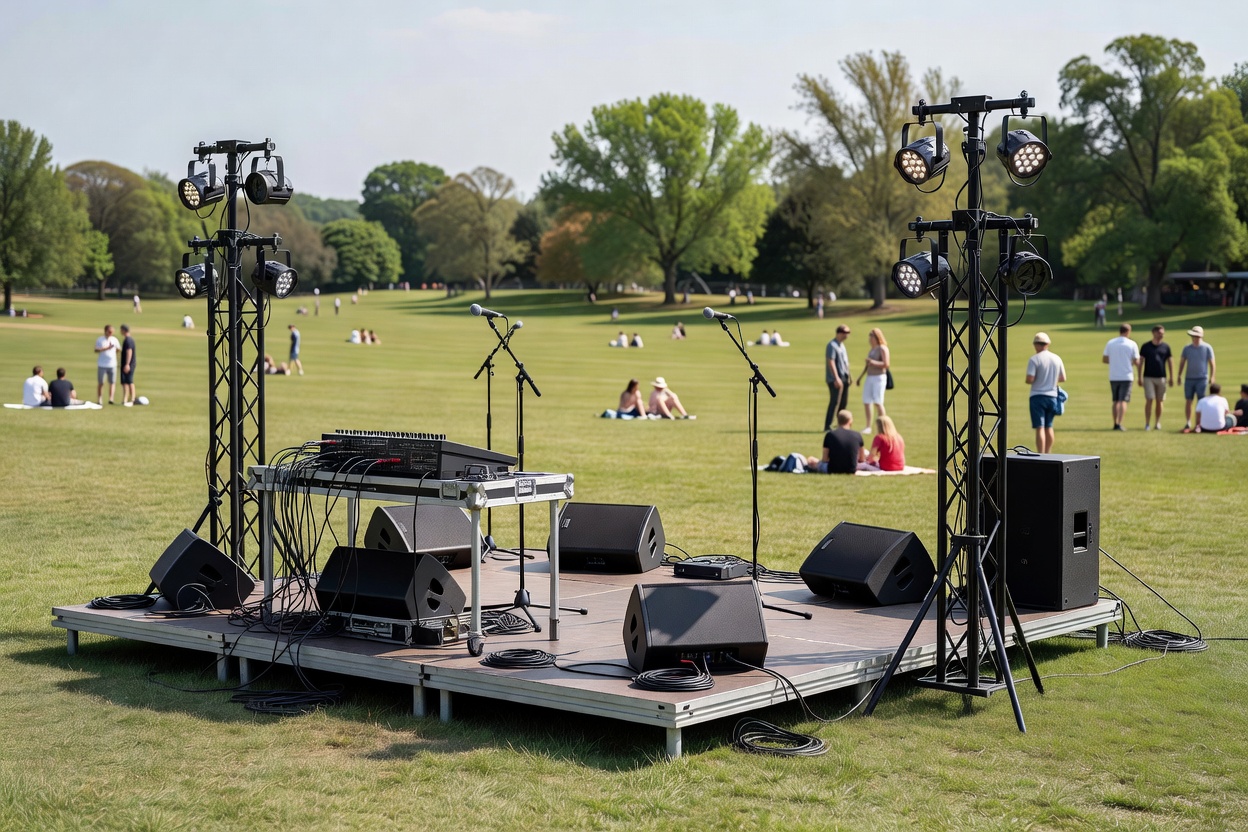
Open-air festival grounds can offer broad views, changing light and a strong feeling of shared space. The trade-off is exposure to sun, rain, wind and uneven ground. Urban venues may sit within a city’s transport network, but the entrance can be some distance from the centre and local street conditions can be busy. Historic buildings and cultural spaces have distinctive character; heritage features can also mean stairs, restricted routes or limits on temporary structures. Verify access details instead of assuming.
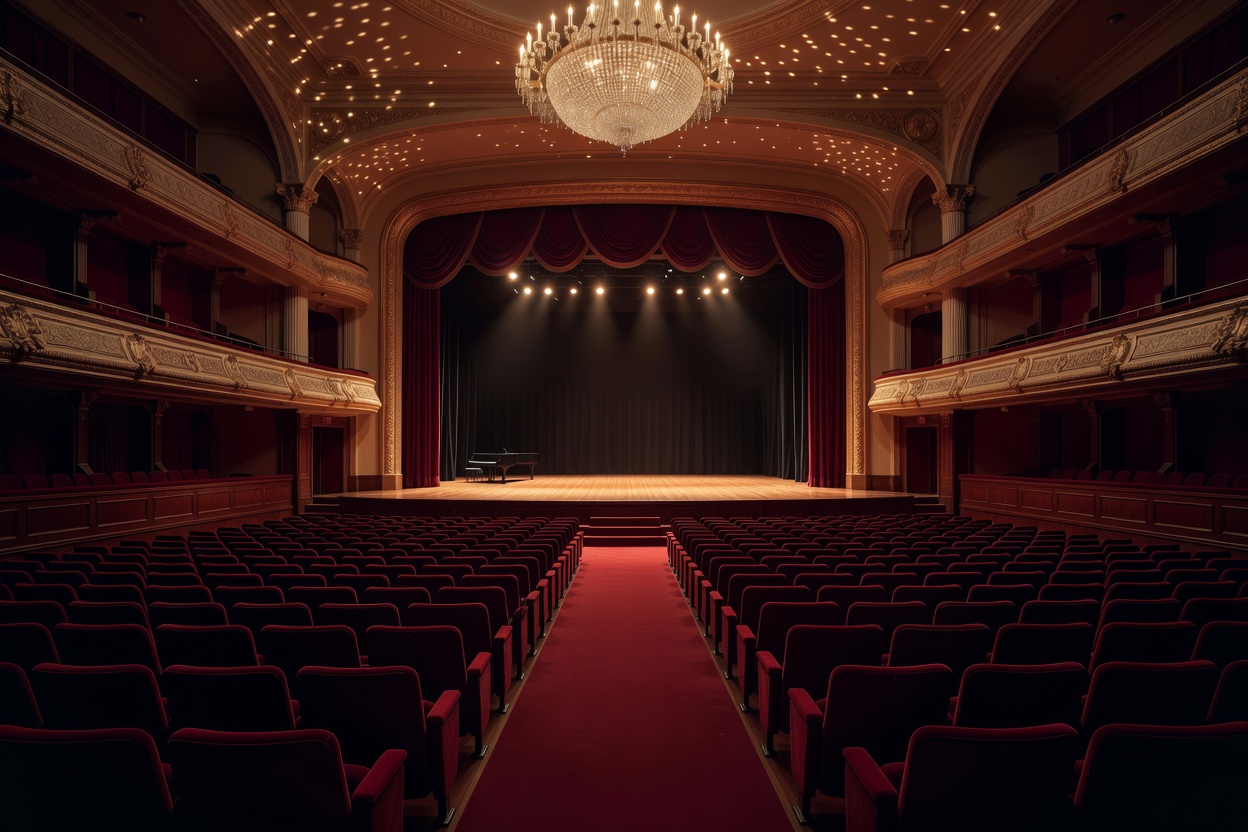
Concert halls and theatres often shape listening through enclosed acoustics and defined seating or standing areas. Rules about arrival, bags, food and re-entry differ by venue. Coastal and countryside spaces pair performances with landscape, while making ground, weather and onward transport especially relevant. Camping festivals may bring sleeping and performance areas together, but campsite facilities, quiet hours, accessible pitches and equipment rules must be confirmed with the event.
Indoor and outdoor experiences each have advantages. Indoors offers shelter and more controlled light and sound, but the room’s capacity, ventilation, seating and accessibility are venue-specific. Outdoors can feel expansive and allow varied stage design, but weather plans and personal comfort matter. A multi-stage site may reward exploration; allow realistic time to cross it, find water and take breaks rather than planning back-to-back appearances on opposite sides.
How design changes a day
Look at published site maps when available. Stage positions, entrances, rest areas and transport stops help you estimate movement, but a map is not a guarantee of surface conditions or queue times. Sightlines can change with crowd density and temporary structures. Sound levels and lighting vary between zones; if you are sensitive to sound or flashing light, ask the organiser what information they can provide. Ear protection and breaks in quieter areas are useful planning habits.
Check the current venue guidance for toilets, water points, seating, rest areas, shade, weather protection, bag policy, security and entry procedures. Never rely on an old event map or assume a facility exists because another venue has it. For access needs, ask direct questions: Are routes step-free from arrival to viewing areas? What surfaces are used? Is accessible parking or a companion policy documented? Can staff explain the available facilities? Request specifics and keep confirmation accessible during the trip.
Practical visitor checklist
- Find the confirmed event address, entrance and public transport approach.
- Review the latest site map and venue rules from official channels.
- Ask about step-free paths, viewing arrangements and accessible facilities.
- Check water, toilets, seating, shade and rest-area information.
- Plan stage-to-stage walking time and a meeting point with companions.
- Prepare for local weather and the site’s likely surfaces.
- Understand bag checks, permitted equipment, re-entry and age rules.
- Save a route back to accommodation before late-night travel begins.
Advantages and limitations
A purpose-built site may simplify circulation and staging, but the scale can mean long walks. An intimate room can make a performance feel immediate, yet it may have limited space and fewer opportunities to move around. Historic venues bring a strong sense of place, with constraints that can affect access or production. Community settings can feel connected to their surroundings, while requiring visitors to respect residents and local rules. Treat these as planning prompts, not a promise about a particular site.
Good for
Visitors choosing between close-up listening, big-stage production, a multi-stage day, a sheltered room or an outdoor landscape.
What to know
Facilities, capacity, accessibility, sound limits and entry rules are specific to each event and may change. Confirm directly with the official organiser or venue.
Your venue choice connects closely to programme style and arrival and accommodation planning. Need a hand finding the right guide? Contact us.