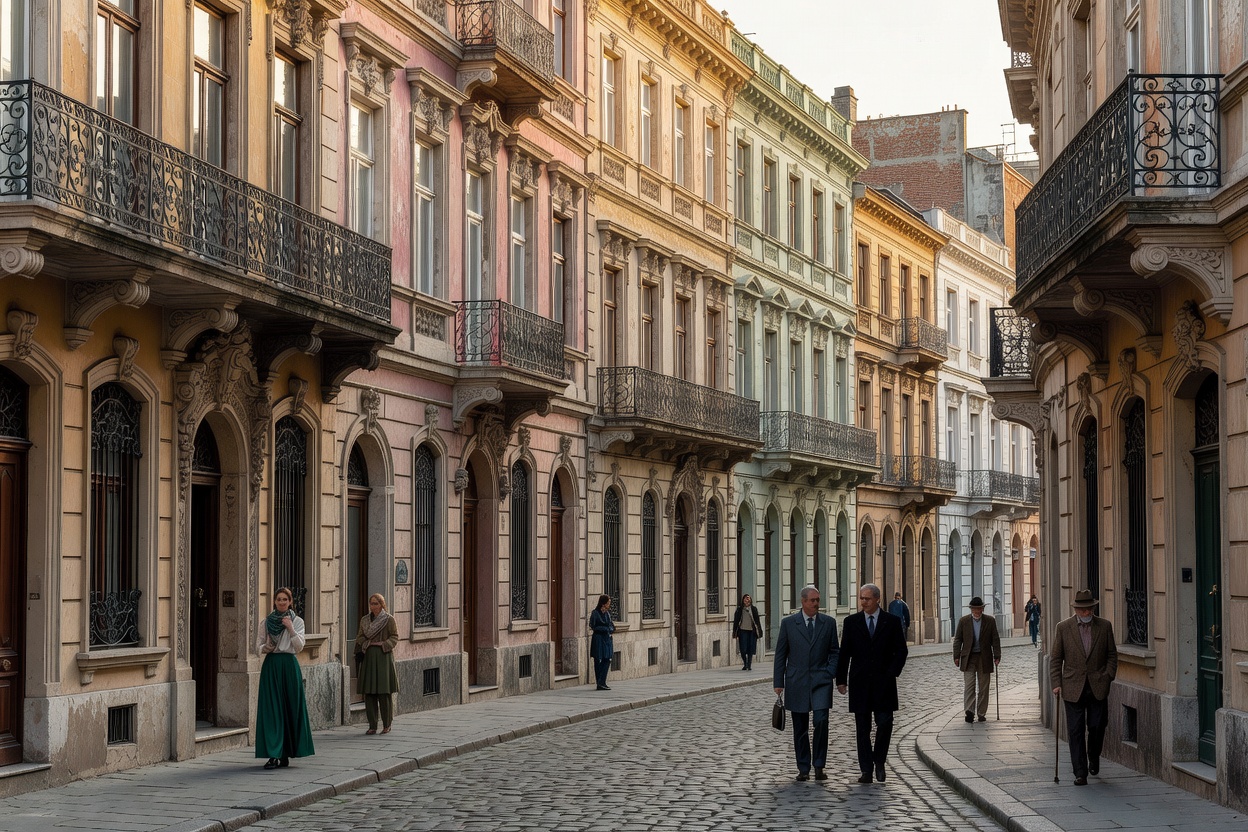
A festival trip can connect a performance with the everyday life of its destination. That does not mean trying to see everything. Choose one or two experiences that genuinely interest you, check current visitor information, and leave enough space to eat, rest and get to the venue without rushing. Places such as Tallinn’s historic centre, Riga’s architectural streets, Berlin’s museums, Paris’s cultural institutions, Copenhagen’s public spaces and Lisbon’s waterfront provide different ways to explore a city. These are destination examples, not endorsements or claims about a festival connection.
Food, neighbourhoods and local context
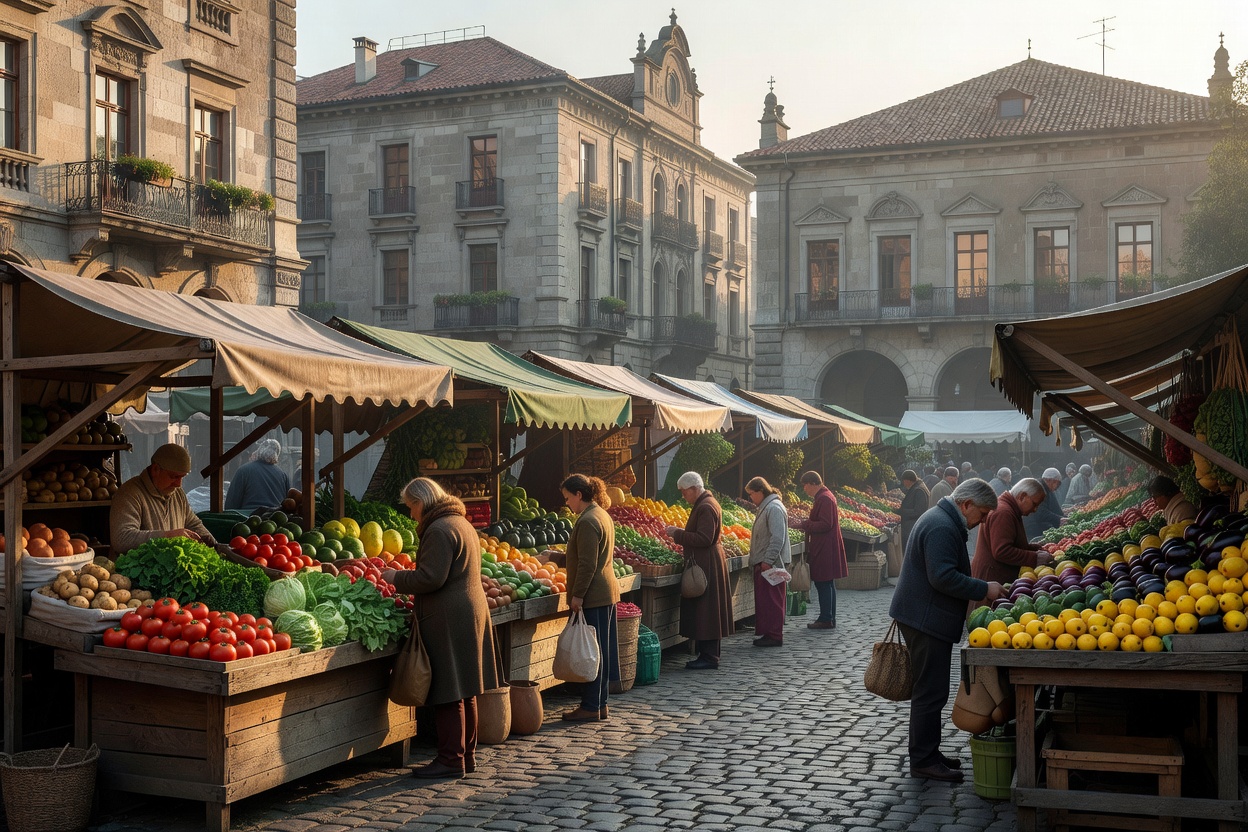
Food is a good way to pay attention to a place. Look for regional dishes, market ingredients and locally run cafés, while being mindful that opening times and dietary information change. Markets are working places as well as visitor attractions: ask before photographing people, follow posted rules and avoid blocking stalls. In a neighbourhood, choose businesses respectfully, keep noise down at night and remember residents are not part of a festival set.
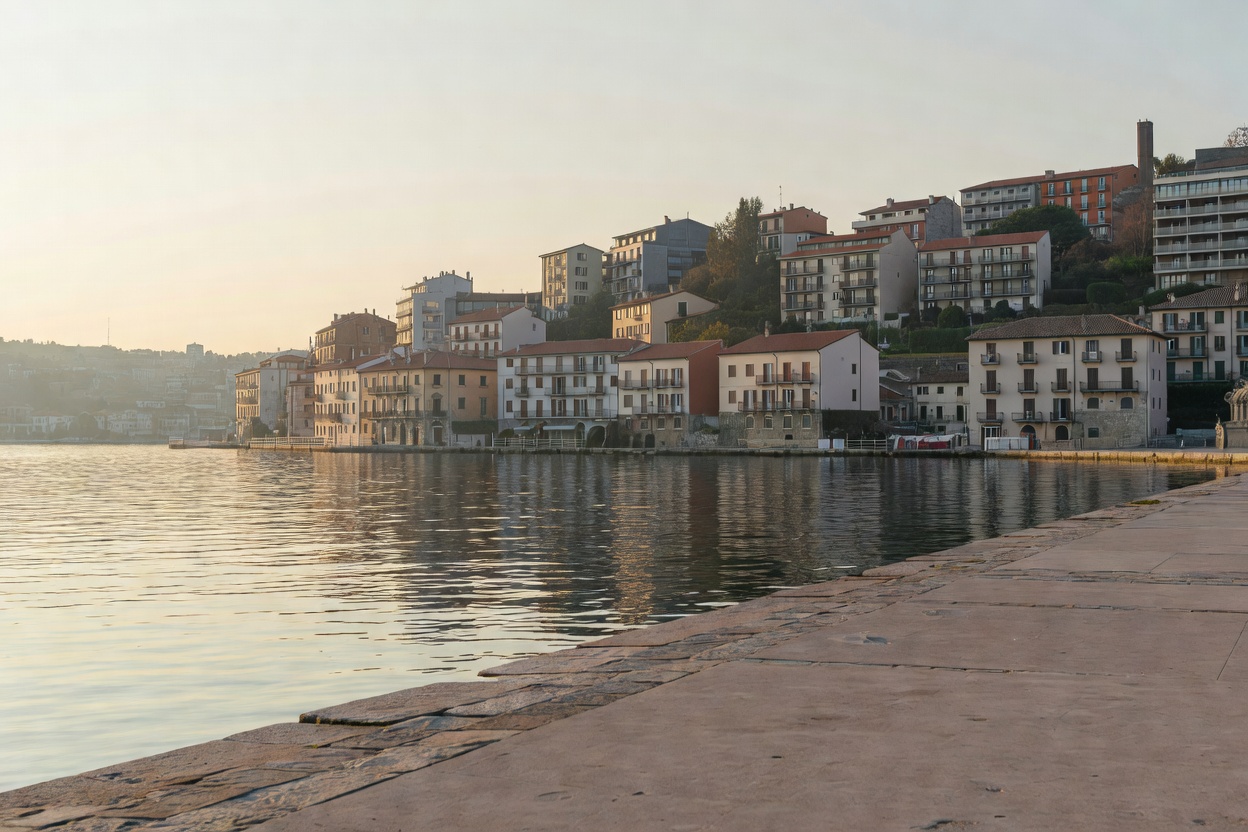
Museums and galleries offer a quieter counterpoint to a late show. Check official institution websites for current opening days, access details and booking requirements. Historic districts and architectural routes can be explored at a gentle pace, but surfaces, steps and distances may be challenging. Parks, waterfront paths and nearby natural spaces can offer restorative time; check weather, transport and local safety guidance before setting out.
Customs, language and considerate visits
A few local words can make everyday exchanges warmer, though English availability varies. Learn useful greetings and practical phrases, listen carefully, and avoid assuming every resident shares the same habits or perspective. Respect signs, religious and memorial spaces, photography requests, queues and local quiet hours. Responsible tourism also includes considering how visitor demand affects a neighbourhood: use public transport where practical, support local businesses thoughtfully and leave public spaces as you found them.
Look for official visitor information from the destination’s recognised tourism or cultural services, plus direct information from museums, parks and transport providers. Use named attractions as inspiration, then confirm whether they are open and suitable for your dates. Do not rely on an old guide, social post or assumed festival tie-in.
A sample itinerary structure
Arrival day: settle into accommodation, learn the closest transport route and have an unhurried neighbourhood meal. Festival day: choose one low-effort morning activity or rest, then allow time for the venue journey and entry. Open day: pick one museum, heritage walk or park rather than stacking several timed visits. Departure day: keep the schedule light, check out and allow a realistic transfer buffer. Adapt this outline to event hours, energy, weather, mobility and the opening details of the places you hope to visit; no fixed event times are assumed.
Short stays are efficient and can focus attention on one district, but leave little flexibility if travel is delayed or you need recovery time. An extended stay allows a slower pace, a possible day trip and a more considered local itinerary, while adding accommodation and transport commitments. For either length, plan rest as deliberately as sightseeing. If you have access needs, contact attractions and transport providers for specific current information about routes, seating, toilets and sensory conditions.
Cultural planning tips
- Choose experiences because they interest you, not simply to fill a schedule.
- Check official opening, access and transport information close to your visit.
- Build in rest, meals and a buffer before travelling to the festival site.
- Respect local customs, privacy, quiet hours and shared public spaces.
- Use local services thoughtfully and avoid treating neighbourhoods as scenery.
- Check seasonal conditions before planning parks, coast or countryside outings.
Good for
Festival travellers who enjoy food, design, history, museums, neighbourhood wandering or a slower day between performances.
What to know
Attractions, opening arrangements, access and transport may change. Check official sources; this itinerary is a flexible framework, not a confirmed schedule.
Choose a place with our destination guide, and keep a manageable route with the travel and accommodation guide. Questions? Contact the atlas.