
Festival labels are useful shorthand, not a promise that every set will fit neatly into one category. A programme billed around electronic music may cross into experimental sound or live instrumentation. Rock and alternative events can include quieter singer-songwriters, heavier acts or unexpected collaborations. Read the programme by stage and day, and look for the range beneath the headline description.
What different musical formats can feel like
Electronic music often centres on continuous DJ sets, live electronic acts or a sequence of carefully timed performances. Outdoor stages may run late and use substantial sound and lighting systems. Check finish times, transport options and any stated sound or entry rules. Rock and alternative programming commonly brings full-band sets and guitar-led sounds, but the atmosphere depends on the venue, audience space and programme design—not a genre stereotype.
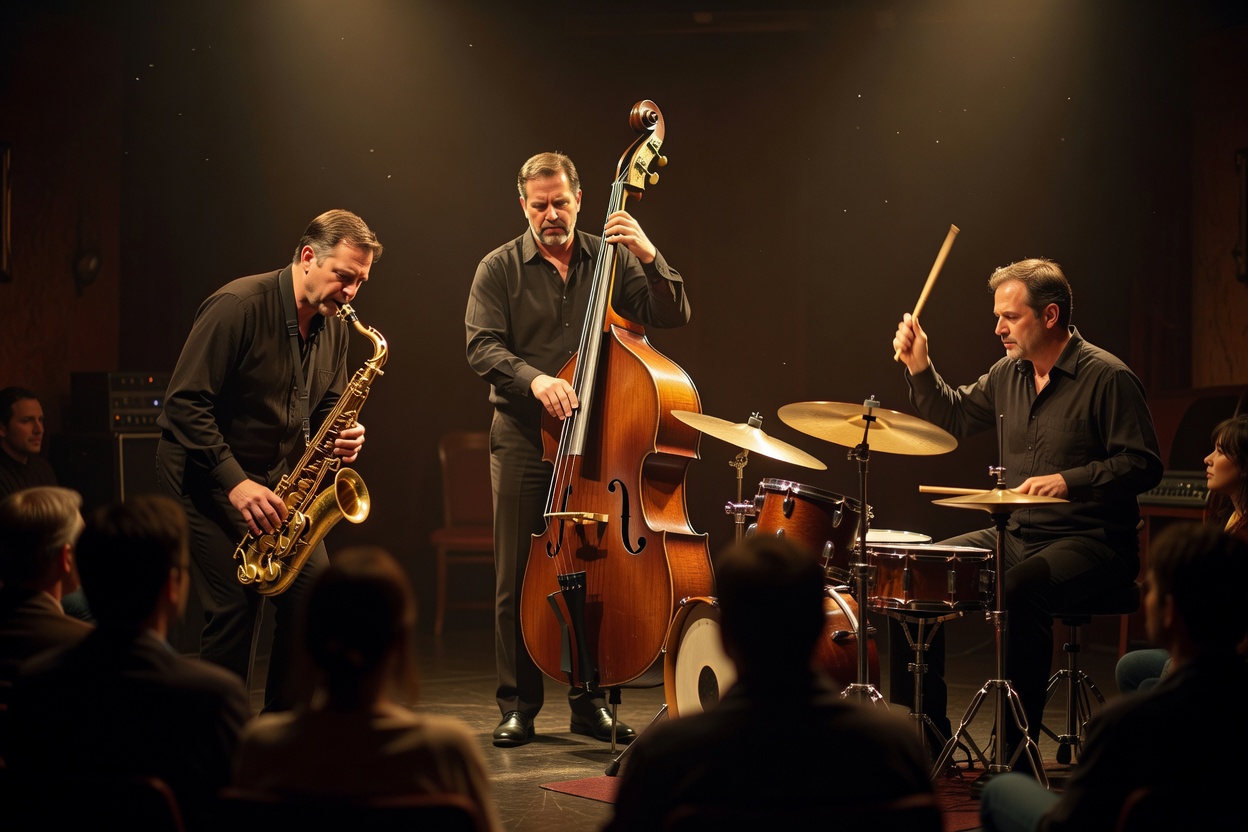
Indie and pop can mean a wide range of production styles, from intimate live arrangements to large singalong performances. A festival that mixes familiar names with emerging artists can be a good discovery route. Jazz and blues may appear in intimate rooms, concert venues or outdoor settings. Smaller spaces can make listening feel close, while multiple stages may create overlap between sets. Check whether seating is available rather than assuming it.
Classical and orchestral events can take place in concert halls, theatres or outdoor cultural spaces. Sound carries differently outdoors, and weather plans may matter. Folk and traditional music can connect performers, instruments and regional traditions in many ways; read the event’s own description rather than making assumptions about a community or style. Metal and heavier genres span many tempos and approaches. Hearing protection is a sensible consideration at any amplified event, not only a particular genre.
World music and cross-cultural programming describe broad, varied work that may bring together musical traditions and contemporary approaches. Look for artist-written descriptions, programme notes and context from organisers. Multi-genre festivals offer breadth and discovery, but often involve overlapping sets and longer walks between stages. A focused, intimate event may make deeper listening easier, while giving you fewer simultaneous choices.

Compare the trade-offs
Multi-genre format: offers variety and chances to find new favourites; the trade-off is schedule planning, competing sets and movement between stages. Genre-focused gathering: gives a clear musical identity and may support longer listening; its programme may be narrower. Indoor concert setting: offers shelter and often a defined listening environment; seating, entry times and venue rules vary. Outdoor event: can create a strong connection between sound and place; weather, ground and noise exposure need consideration.
Choosing by taste, not only by label
Start with a few artists or musical qualities you enjoy, then explore artists placed nearby in the programme. Read organiser descriptions and listen to sample work through sources you already use. If a day schedule has multiple stages, mark only the sets you most want to see and leave transition time. Overlapping performances are normal; trying to cross a large site at speed can turn discovery into stress.
Protect your hearing with well-fitted earplugs and breaks away from loud areas. Follow venue guidance about sound, re-entry and equipment. If you have sensory or access needs, contact organisers ahead of time to ask about quieter spaces, viewing areas and practical routes; do not assume that a venue provides a specific facility.
Festival-selection checklist
- Does the programme description match the sounds you genuinely want to hear?
- Are artist lists and stage schedules published through official channels?
- How many stages and how much walking might your day involve?
- What are the likely set overlaps, and where can you be flexible?
- Are indoor alternatives, seating or quieter options described by the organiser?
- What are the event’s current sound, entry and accessibility details?
- Can you plan breaks, water and hearing protection into the day?
Good for
Listeners who want a focused genre weekend, a broad mixed bill, or a trip designed around discovering artists they do not know yet.
What to know
Genre labels are broad and programme details change. This guide makes no claims about current lineups, dates or event affiliations; check the organiser’s official information.
Match musical taste to a setting with our venue guide, then think about the wider trip using destination comparisons. For a planning question, get in touch.