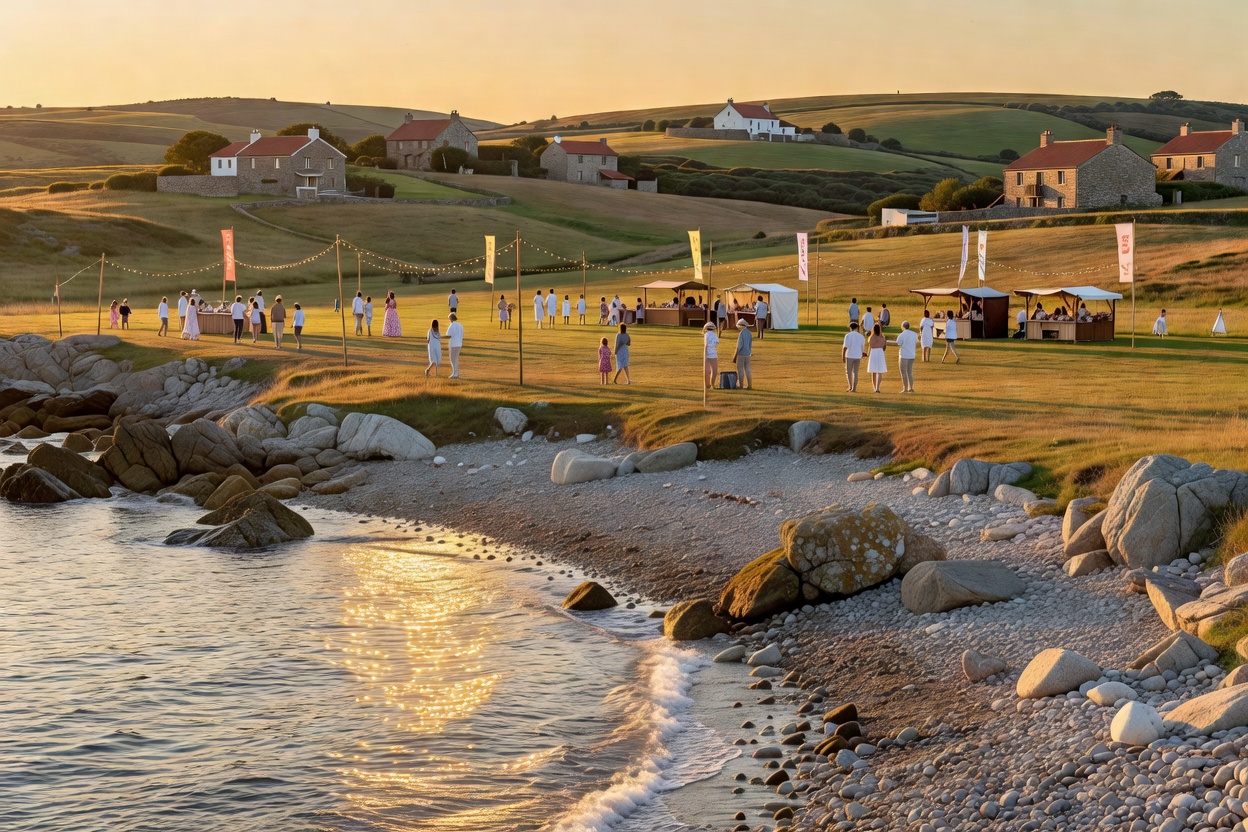
Europe offers a broad mix of festival settings, but the right one depends on how you like to travel. A connected capital can make it easy to combine a performance with museums, restaurants and public transport. A rural gathering may feel more spacious and self-contained, while asking you to think harder about the final leg from a rail station or airport. These are useful planning distinctions—not guarantees about a particular event. Always check the current organiser’s location and access information.
Capitals, compact cities and historic settings
City-based events in places such as Berlin, Amsterdam, Copenhagen, Paris or Budapest can suit visitors who want choices beyond the programme. Public transport, urban accommodation and established visitor services may simplify logistics, although busy periods can mean more competition for rooms and fuller trains. A venue may sit well outside the postcard centre, so check the actual address rather than assuming a central location. Tallinn’s compact historic core and Riga’s varied architecture can make a city stay appealing; Helsinki and Stockholm add distinct waterfront and island geographies. In every city, local transport hours and accessibility vary by route and station.
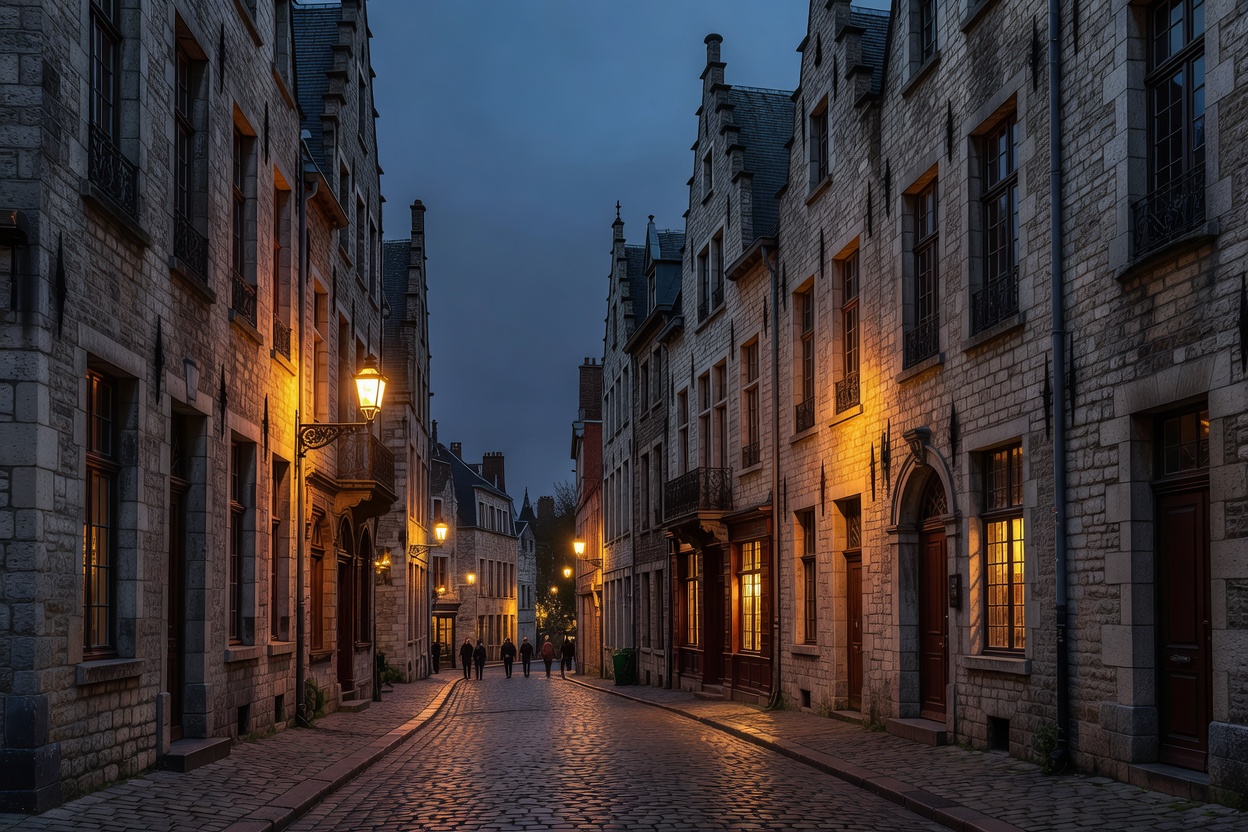
Historic environments bring atmosphere, but they can also mean cobbles, narrow passages, protected buildings or limited vehicle access. If step-free travel matters, ask the event and venue directly about routes, accessible entrances, viewing areas and facilities. Do not infer access provision from photographs or a venue’s age.
Coast, islands and open countryside
Barcelona and Lisbon offer coastal context alongside dense urban life; Reykjavík gives visitors a northern setting where weather and daylight can feel quite different from a southern summer break. Island or waterfront locations can reward a slower itinerary, yet ferry connections, limited accommodation and seasonal demand may add planning steps. Rural sites across central and northern Europe can offer open space and camping-style experiences, but the last-mile journey may depend on a shuttle, regional bus, taxi or a longer walk. Confirm those arrangements from official event and transport sources before committing.
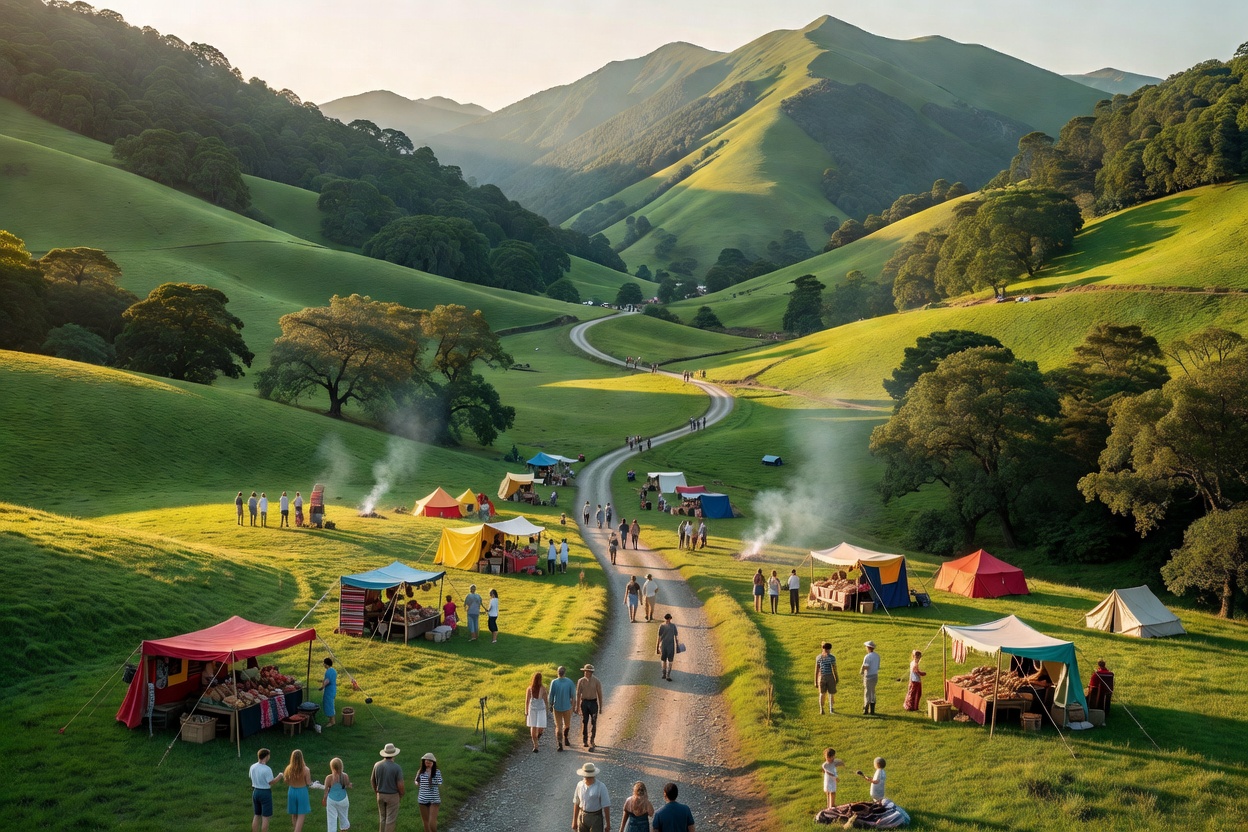
Mountain and countryside settings bring changing temperatures, exposed paths and weather that may shift quickly. Pack for the place, not only the forecast for a nearby city. Consider daylight, ground conditions and the distance between your lodging, transit stop and entrance. A beautiful remote setting can be less convenient for visitors who need frequent rest stops or step-free paths unless the organiser confirms suitable provisions.
Season, scale and travel complexity
Summer is a popular period for European outdoor events, but the calendar and conditions differ by region. Northern evenings can stay bright later in the season; southern destinations can be hot, while coastal wind and mountain rain are worth preparing for anywhere they occur. Check current local weather guidance shortly before departure. Destination size also changes the shape of a trip: in a compact city, you may walk between cultural visits; in a large capital or dispersed rural area, travel time can be a meaningful part of each day.
Think about the whole route: arrival airport or station, onward transfer, venue gate, accommodation and the return journey after a late finish. Nearby sightseeing is most enjoyable when it does not turn every day into a timed transfer. Keep at least one flexible block for rest, weather changes or simply exploring at a comfortable pace.
A destination selection checklist
- How long is the door-to-door journey, including the last mile?
- Is the event urban, coastal, rural or on a difficult-to-reach site?
- What public transport runs when you expect to arrive and leave?
- Are accommodation options available across more than one neighbourhood?
- Can the venue confirm step-free routes and your specific access needs?
- Which attractions can you enjoy without overloading the festival days?
- What weather, terrain and luggage choices should shape your packing?
Regional comparisons: trade-offs at a glance
City break: more potential for public transport, dining and cultural visits; the trade-off can be longer journeys to an outlying site and busier accommodation. Coastal destination: a strong sense of place and outdoor variety; seasonal capacity and wind or heat deserve attention. Rural or mountain setting: space and landscape can be central to the experience; connections, mobility routes and weather planning may need extra care. Historic city: architecture and heritage make rewarding free-time options; older streets and protected buildings can affect access. None is universally better—the best match is the one whose practical demands suit your group.
Good for
Travellers choosing between an easy-to-extend city stay, a nature-led escape, a coastal break or a compact cultural weekend.
What to know
Examples of real cities are destination ideas, not claims that a specific festival currently takes place there. Event dates, transport, access and accommodation details change; verify them with official sources.
Once the setting feels right, compare transport and places to stay, then explore local culture and itinerary ideas. Questions about how to use this guide? Contact us.